UNCLASSIFIED
PE 0305208F: Distributed Common Ground/Surface System...
UNCLASSIFIED
Air Force Page 1 of 16 R-1 Line #269
Exhibit R-2, RDT&E Budget Item Justification: PB2021Air Force
Date: February 2020
Appropriation/Budget Activity
3600: Research, Development, Test & Evaluation, Air Force / BA 7:
Operational Systems Development
R-1 Program Element (Number/Name)
PE 0305208F / Distributed Common Ground/Surface Systems
COST ($ in Millions)
Prior
Years FY 2019 FY 2020
FY 2021
Base
FY 2021
OCO
FY 2021
Total FY 2022 FY 2023 FY 2024 FY 2025
Cost To
Complete
Total
Cost
Total Program Element
- 52.421 25.009 14.152 0.000 14.152 25.933 26.399 26.871 27.366 Continuing Continuing
674826: Common Imagery
Ground / Surface Systems
- 26.421 25.009 14.152 0.000 14.152 25.933 26.399 26.871 27.366 Continuing Continuing
675246: MQ-9 Development and
Fielding
- 26.000 0.000 0.000 0.000 0.000 0.000 0.000 0.000 0.000 Continuing Continuing
A. Mission Description and Budget Item Justification
Air Force Distributed Common Ground System (AF DCGS) is the Combat Air Force (CAF) weapon system for planning and direction, collection, processing and
exploitation, analysis and production, and dissemination (PCPAD) of data from Intelligence, Surveillance, and Reconnaissance (ISR) missions. Since AF DCGS is also
a major component of the DoD DCGS, the system is designed to complement and interoperate with the DoD, Army, Navy and Marine Corps DCGS. The AF DCGS
mission is to provide Joint Task Force (JTF) Commanders, Air Component Commanders, Unified Commands, and other directed organizations with global, time-
sensitive ISR PCPAD across the spectrum of military operations. AF DCGS is a multi-INT, federated weapon system (AN/GSQ-272) capable of exploiting intelligence
data from manned platforms, remotely piloted aircraft (RPA), non-traditional ISR platforms, national and commercial satellites and other collection systems.
AF DCGS is designed to support Joint operational requirements by providing a common PCPAD means to provide time-sensitive intelligence to field commanders and
in support of the Air Operations Center (AOC) mission requirements and supports the "kill chain” across the full range of military operations. Currently, AF DCGS is
composed of eight core sites (two active duty worldwide, three active duty regional and three Air National Guard regional), three remote Air Force Forces (AF FOR)
sites, six SIGINT Distributed Mission Sites (four collocated with National Mission Partner), three Air National Guard full-motion video sites, three support sites, three
training sites, and three integration and test sites. AF DCGS currently supports ongoing operations from forward deployed and in-garrison CONUS and OCONUS-
based locations. AF DCGS provides integrated ISR by providing quality, fused Geospatial Intelligence (GEOINT), Signals Intelligence (SIGINT), and Measurement and
Signature Intelligence (MASINT) tailored to the warfighter for all levels of conflict.
In alignment with DoD and AF direction, AF DCGS is migrating to an open architecture (OA DCGS) to rapidly incorporate new technologies and tools to easily integrate
new and/or improved sensor capabilities, as well as provide improved mission applications to meet emerging and urgent operational needs. AF DCGS integrates
commercial-off-the-shelf and government-off-the-shelf services and applications to the maximum extent possible to fulfill operational requirements and data sharing
requirements across the DoD DCGS community. The next iteration will involve transitioning to a hybrid cloud (mix of private on premise and public cloud) architecture.
Program management consists of five ACAT III efforts: GEOINT Transformation, SIGINT Transformation, Multi-INT, Network Infrastructure Transformation, and DCGS
Reference Imagery Transition (DRT)
Volume 3b - 341
UNCLASSIFIED
PE 0305208F: Distributed Common Ground/Surface System...
UNCLASSIFIED
Air Force Page 2 of 16 R-1 Line #269
Exhibit R-2, RDT&E Budget Item Justification: PB2021Air Force
Date: February 2020
Appropriation/Budget Activity
3600: Research, Development, Test & Evaluation, Air Force / BA 7:
Operational Systems Development
R-1 Program Element (Number/Name)
PE 0305208F / Distributed Common Ground/Surface Systems
1. GEOINT Transformation: Rapidly integrates new GEOINT capabilities, enables quick/seamless integration of new sensors, data types, sensor planning, and
command and control (C2) capabilities and migrates GEOINT-specific applications into the open architecture framework. Leverages mission partner methods and tools
to the maximum extent possible.
2. SIGINT Transformation: Rapidly integrates new SIGINT capabilities, enables quick/seamless integration of new sensors, data types, sensor planning, command and
control (C2) capabilities and migrates SIGINT-specific applications into the open architecture framework. Leverages mission partner methods and tools to the maximum
extent possible.
3. Multi-INT-1: Rapidly integrates new and updated enterprise applications, to include voice/video/chat communications, collaboration and situational awareness, multi-
INT fusion, and data analytics capabilities into the open architecture framework. Also includes Intelligent Modeling and Predictive Analysis of Cyberspace Targeting
(IMPACT) program, which develops concepts, Tactics/Techniques/Procedures (TTPs) and technologies for synchronizing ISR and non-kinetic capabilities. Addressees
program office test and evaluation activities.
4. Network Infrastructure Transformation: Modernizes the AF DCGS infrastructure to a cyber-resilient, open, scalable, commercial-based, architecture, improving data
ingest, transfer, and storage capabilities, collaboration, and content driven discovery. OA DCGS Platform as a Service, along with migration to a hub-based architecture
and public cloud represents the AF DCGS hybrid cloud (mix of private on premise and public cloud) architecture.
5. *DRT: The Air Force DCGS Reference Imagery Transition (DRT) effort provides data ingest, transfer, and storage capabilities for NGA reference imagery data.
NOTE:
*No additional RDT&E or Investment Funding planned in FY20 or outyears; ACAT will be closed once the capability is installed at all sites
This program element may include necessary civilian pay expenses required to manage, execute, and deliver AF DCGS weapon system capability. The use of such
program funds would be in addition to the civilian pay expenses budgeted in program element 0605831F.
This program is in Budget Activity 7, Operational System Development because this budget activity includes development efforts to upgrade systems that have been
fielded or have received approval for full rate production and anticipate production funding in the current or subsequent fiscal year.
Volume 3b - 342
UNCLASSIFIED
PE 0305208F: Distributed Common Ground/Surface System...
UNCLASSIFIED
Air Force Page 3 of 16 R-1 Line #269
Exhibit R-2, RDT&E Budget Item Justification: PB2021Air Force
Date: February 2020
Appropriation/Budget Activity
3600: Research, Development, Test & Evaluation, Air Force / BA 7:
Operational Systems Development
R-1 Program Element (Number/Name)
PE 0305208F / Distributed Common Ground/Surface Systems
B. Program Change Summary ($ in Millions)
FY 2019 FY 2020 FY 2021 Base FY 2021 OCO FY 2021 Total
Previous President's Budget 54.054 25.009 25.443 0.000 25.443
Current President's Budget 52.421 25.009 14.152 0.000 14.152
Total Adjustments -1.633 0.000 -11.291 0.000 -11.291
• Congressional General Reductions 0.000 0.000
• Congressional Directed Reductions 0.000 0.000
• Congressional Rescissions 0.000 0.000
• Congressional Adds 0.000 0.000
• Congressional Directed Transfers 0.000 0.000
• Reprogrammings 0.000 0.000
• SBIR/STTR Transfer 0.000 0.000
• Other Adjustments -1.633 0.000 -11.291 0.000 -11.291
Change Summary Explanation
In FY 2019, funding reduced $1.633 million to support higher AF priorities.
In FY 2021, funding reduced $3.529 million to support higher AF priorities.
Also in FY 2021, funding request was reduced by $7.762 million to account for the availability of prior year execution balances.
Volume 3b - 343
UNCLASSIFIED
PE 0305208F: Distributed Common Ground/Surface System...
UNCLASSIFIED
Air Force Page 4 of 16 R-1 Line #269
Exhibit R-2A, RDT&E Project Justification: PB2021Air Force
Date: February 2020
Appropriation/Budget Activity
3600 / 7
R-1 Program Element (Number/Name)
PE 0305208F / Distributed Common
Ground/Surface Systems
Project (Number/Name)
674826 / Common Imagery Ground /
Surface Systems
COST ($ in Millions)
Prior
Years FY 2019 FY 2020
FY 2021
Base
FY 2021
OCO
FY 2021
Total FY 2022 FY 2023 FY 2024 FY 2025
Cost To
Complete
Total
Cost
674826: Common Imagery
Ground / Surface Systems
- 26.421 25.009 14.152 0.000 14.152 25.933 26.399 26.871 27.366 Continuing Continuing
Quantity of RDT&E Articles - - - - - - - - - -
A. Mission Description and Budget Item Justification
Program management consists of five ACAT III efforts: GEOINT Transformation, SIGINT Transformation, Multi-INT, Network Infrastructure Transformation, and DCGS
Reference Imagery Transition (DRT)
1. GEOINT Transformation: Rapidly integrates new GEOINT capabilities, enables quick/seamless integration of new sensors, data types, sensor planning, and
command and control (C2) capabilities and migrates GEOINT-specific applications into the open architecture framework. Leverages mission partner methods and tools
to the maximum extent possible.
2. SIGINT Transformation: Rapidly integrates new SIGINT capabilities, enables quick/seamless integration of new sensors, data types, sensor planning, command and
control (C2) capabilities and migrates SIGINT-specific applications into the open architecture framework. Leverages mission partner methods and tools to the maximum
extent possible.
3. Multi-INT-1: Rapidly integrates new and updated enterprise applications, to include voice/video/chat communications, collaboration and situational awareness, multi-
INT fusion, and data analytics capabilities into the open architecture framework. Also includes Intelligent Modeling and Predictive Analysis of Cyberspace Targeting
(IMPACT) program, which develops concepts, Tactics/Techniques/Procedures (TTPs) and technologies for synchronizing ISR and non-kinetic capabilities. Addressees
program office test and evaluation activities.
4. Network Infrastructure Transformation: Modernizes the AF DCGS infrastructure to a cyber-resilient, open, scalable, commercial-based, architecture, improving data
ingest, transfer, and storage capabilities, collaboration, and content driven discovery. OA DCGS Platform as a Service, along with migration to a hub-based architecture
and public cloud represents the AF DCGS hybrid cloud (mix of private on premise and public cloud) architecture.
5. *DRT: The Air Force DCGS Reference Imagery Transition (DRT) effort provides data ingest, transfer, and storage capabilities for NGA reference imagery data.
NOTE:
*No additional RDT&E or Investment Funding planned in FY20 or out-years; ACAT will be closed once the capability is installed at all sites.
This program is in Budget Activity 7, Operational System Development because this budget activity includes development efforts to upgrade systems that have been
fielded or have received approval for full rate production and anticipate production funding in the current or subsequent fiscal year.
Volume 3b - 344
UNCLASSIFIED
PE 0305208F: Distributed Common Ground/Surface System...
UNCLASSIFIED
Air Force Page 5 of 16 R-1 Line #269
Exhibit R-2A, RDT&E Project Justification: PB2021Air Force
Date: February 2020
Appropriation/Budget Activity
3600 / 7
R-1 Program Element (Number/Name)
PE 0305208F / Distributed Common
Ground/Surface Systems
Project (Number/Name)
674826 / Common Imagery Ground /
Surface Systems
B. Accomplishments/Planned Programs ($ in Millions)
FY 2019 FY 2020 FY 2021
Title: GEOINT Transformation
Description: The GEOINT Transformation effort rapidly integrates new GEOINT capabilities, enables quick/seamless integration
of new sensors, data types, sensor planning, and command and control (C2) capabilities and migrates GEOINT-specific
applications into the open architecture framework. Leverages mission partner methods and tools to the maximum extent possible.
FY 2020 Plans:
• Continue High Altitude (HA) and Full Motion Video (FMV) Agile Release Trains to rapidly integrate new GEOINT-specific
capabilities on OA DCGS.
FY 2021 Plans:
• Will continue High Altitude (HA) and Full Motion Video (FMV) Agile Release Trains to rapidly integrate new GEOINT-specific
capabilities on OA DCGS.
FY 2020 to FY 2021 Increase/Decrease Statement:
n/a
3.500 0.500 0.500
Title: SIGINT Transformation
Description: The SIGINT Transformation effort rapidly integrates new SIGINT capabilities, enables quick/seamless integration of
new sensors, data types, sensor planning, command and control (C2) capabilities and migrates SIGINT-specific applications into
the open architecture framework. Leverages mission partner methods and tools to the maximum extent possible.
FY 2020 Plans:
• Continue SIGINT Modernization Agile Release Train to rapidly integrate new SIGINT-specific capabilities into OA DCGS.
• Continue componentization of SIGINT mission applications
FY 2021 Plans:
• Will continue SIGINT Modernization Agile Release Train to rapidly integrate new SIGINT-specific capabilities into OA DCGS.
FY 2020 to FY 2021 Increase/Decrease Statement:
Decrease due to completion of SIGINT mission applications componentization development work.
10.587 2.899 0.500
Title: Multi-INT Transformation
Description: The Multi-INT effort rapidly integrates new and updated enterprise applications, to include voice/video/chat
communications, collaboration and situational awareness, multi-INT fusion, and data analytics capabilities into the open
architecture framework. Also includes Intelligent Modeling and Predictive Analysis of Cyberspace Targeting (IMPACT) program,
10.426 21.110 12.652
Volume 3b - 345
UNCLASSIFIED
PE 0305208F: Distributed Common Ground/Surface System...
UNCLASSIFIED
Air Force Page 6 of 16 R-1 Line #269
Exhibit R-2A, RDT&E Project Justification: PB2021Air Force
Date: February 2020
Appropriation/Budget Activity
3600 / 7
R-1 Program Element (Number/Name)
PE 0305208F / Distributed Common
Ground/Surface Systems
Project (Number/Name)
674826 / Common Imagery Ground /
Surface Systems
B. Accomplishments/Planned Programs ($ in Millions)
FY 2019 FY 2020 FY 2021
which develops concepts, Tactics/Techniques/Procedures (TTPs) and technologies for synchronizing ISR and non-kinetic
capabilities. Addressees program office test and evaluation activities.
FY 2020 Plans:
• Continue Multi-INT Correlation and Fusion Agile Release Train to rapidly integrate new Multi-INT and data analytics capabilities
into OA DCGS
• Continue agile development of IMPACT program capabilities
• Begin development of Enterprise Voice Communications Capability
FY 2021 Plans:
• Will continue Multi-INT Correlation and Fusion Agile Release Train to rapidly integrate new Multi-INT and data analytics
capabilities into OA DCGS
• Will continue agile development and fielding of IMPACT program capabilities
• Will continue development of the Enterprise Voice Communications Capability
FY 2020 to FY 2021 Increase/Decrease Statement:
Decrease due to completion of some of the Multi-INT Correlation and Fusion and Enterprise Collaboration capability development
Title: Network Infrastructure Transformation
Description: The Network Infrastructure Transformation effort modernizes the AF DCGS infrastructure to a cyber-resilient, open,
scalable, commercial-based, architecture, improving data ingest, transfer, and storage capabilities, collaboration, and content
driven discovery. OA DCGS Platform as a Service, along with migration to a hub-based architecture and public cloud represents
the AF DCGS hybrid cloud (mix of private on premise and public cloud) architecture.
FY 2020 Plans:
• Continue to develop releasable open architecture, hybrid-cloud infrastructure
FY 2021 Plans:
• Will continue to develop releasable open architecture, hybrid-cloud infrastructure
FY 2020 to FY 2021 Increase/Decrease Statement:
n/a
1.908 0.500 0.500
Accomplishments/Planned Programs Subtotals
26.421 25.009 14.152
Volume 3b - 346
UNCLASSIFIED
PE 0305208F: Distributed Common Ground/Surface System...
UNCLASSIFIED
Air Force Page 7 of 16 R-1 Line #269
Exhibit R-2A, RDT&E Project Justification: PB2021Air Force
Date: February 2020
Appropriation/Budget Activity
3600 / 7
R-1 Program Element (Number/Name)
PE 0305208F / Distributed Common
Ground/Surface Systems
Project (Number/Name)
674826 / Common Imagery Ground /
Surface Systems
C. Other Program Funding Summary ($ in Millions)
Line Item FY 2019 FY 2020
FY 2021
Base
FY 2021
OCO
FY 2021
Total FY 2022 FY 2023 FY 2024 FY 2025
Cost To
Complete Total Cost
• OPAF 04 Line Item,
846080: DCGS-AF
359.267 94.137 99.240 - 99.240 128.084 130.408 132.843 135.278 Continuing Continuing
Remarks
D. Acquisition Strategy
AF DCGS acquisition strategy is to use approved lean and agile industry practices and leverage to the maximum extent possible commercial off the shelf, government
off the shelf, and mission partner capabilities to continuously develop and field new and improved operational capabilities hosted on its open, hybrid cloud environment
to meet mission requirements. Contracting strategy involves a combination of Basic Ordering Agreements (BOAs), Indefinite Delivery/Indefinite Quantity (IDIQ)
contracts awarded to execute program funds and delivery/task orders are negotiated/awarded individually.
The program is managed as five ACAT III efforts: GEOINT Transformation, SIGINT Transformation, Multi-INT-1, Network Infrastructure Transformation, and DCGS
Reference Imagery Transition (DRT).
Volume 3b - 347
UNCLASSIFIED
PE 0305208F: Distributed Common Ground/Surface System...
UNCLASSIFIED
Air Force Page 8 of 16 R-1 Line #269
Exhibit R-3, RDT&E Project Cost Analysis: PB2021Air Force
Date: February 2020
Appropriation/Budget Activity
3600 / 7
R-1 Program Element (Number/Name)
PE 0305208F / Distributed Common
Ground/Surface Systems
Project (Number/Name)
674826 / Common Imagery Ground /
Surface Systems
Product Development ($ in Millions)
FY 2019 FY 2020
FY 2021
Base
FY 2021
OCO
FY 2021
Total
Cost Category Item
Contract
Method
& Type
Performing
Activity & Location
Prior
Years Cost
Award
Date Cost
Award
Date Cost
Award
Date Cost
Award
Date Cost
Cost To
Complete
Total
Cost
Target
Value of
Contract
GEOINT Transformation Various Various : Various - 3.500 Jan 2019 0.500 May 2020 0.500 May 2021 - 0.500 Continuing Continuing -
SIGINT Transformation Various Various : Various - 10.167 Apr 2019 2.400 Apr 2020 0.500 Apr 2021 - 0.500 Continuing Continuing -
Multi-Intelligence Various Various : Various - 9.291 Apr 2019 16.259 Mar 2020 9.902 Mar 2021 - 9.902 Continuing Continuing -
Network Infrastructure
Transformation
Various Various : Various - 1.683 Jun 2019 0.500 Jun 2020 0.500 Jun 2021 - 0.500 Continuing Continuing -
Subtotal
- 24.641 19.659 11.402 - 11.402 Continuing Continuing N/A
Remarks
Note on "various" entries - Contract Method, Contract Type, Performing Activity, Target Value of Contract are entered as "various" because there are multiple projects within
each upgrade and depending on the type of effort to be completed determines the contract vehicle to use. There is no way on this document to delineate the contracts that
support each upgrade as they are numerous.
Support ($ in Millions)
FY 2019 FY 2020
FY 2021
Base
FY 2021
OCO
FY 2021
Total
Cost Category Item
Contract
Method
& Type
Performing
Activity & Location
Prior
Years Cost
Award
Date Cost
Award
Date Cost
Award
Date Cost
Award
Date Cost
Cost To
Complete
Total
Cost
Target
Value of
Contract
Support C/CPAF Not specified. : TBD - - - - - - Continuing Continuing -
Multi-Intelligence Various Various : Various - 0.183 Jan 2019 0.251 Jan 2020 0.251 Jan 2021 - 0.251 Continuing Continuing -
Subtotal
- 0.183 0.251 0.251 - 0.251 Continuing Continuing N/A
Management Services ($ in Millions)
FY 2019 FY 2020
FY 2021
Base
FY 2021
OCO
FY 2021
Total
Cost Category Item
Contract
Method
& Type
Performing
Activity & Location
Prior
Years Cost
Award
Date Cost
Award
Date Cost
Award
Date Cost
Award
Date Cost
Cost To
Complete
Total
Cost
Target
Value of
Contract
Management Services C/CPAF Not specified. : TBD - - - - - - Continuing Continuing -
PMA Various Various : Various - 1.597 Dec 2018 5.099 Dec 2019 2.499 Dec 2020 - 2.499 Continuing Continuing -
Subtotal
- 1.597 5.099 2.499 - 2.499 Continuing Continuing N/A
Volume 3b - 348
UNCLASSIFIED
PE 0305208F: Distributed Common Ground/Surface System...
UNCLASSIFIED
Air Force Page 9 of 16 R-1 Line #269
Exhibit R-3, RDT&E Project Cost Analysis: PB2021Air Force
Date: February 2020
Appropriation/Budget Activity
3600 / 7
R-1 Program Element (Number/Name)
PE 0305208F / Distributed Common
Ground/Surface Systems
Project (Number/Name)
674826 / Common Imagery Ground /
Surface Systems
Management Services ($ in Millions)
FY 2019 FY 2020
FY 2021
Base
FY 2021
OCO
FY 2021
Total
Cost Category Item
Contract
Method
& Type
Performing
Activity & Location
Prior
Years Cost
Award
Date Cost
Award
Date Cost
Award
Date Cost
Award
Date Cost
Cost To
Complete
Total
Cost
Target
Value of
Contract
Remarks
Note on "various" entries - Contract Method, Contract Type, Performing Activity, Target Value of Contract are entered as "various" because there are multiple projects within
in each upgrade and depending on the type of effort to be completed determines the contract vehicle to use. There is no way on this document to delineate the contracts that
support each upgrade as they are numerous.
Prior
Years FY 2019 FY 2020
FY 2021
Base
FY 2021
OCO
FY 2021
Total
Cost To
Complete
Total
Cost
Target
Value of
Contract
Project Cost Totals
- 26.421 25.009 14.152 - 14.152 Continuing Continuing N/A
Remarks
Volume 3b - 349
UNCLASSIFIED
PE 0305208F: Distributed Common Ground/Surface System...
UNCLASSIFIED
Air Force Page 10 of 16 R-1 Line #269
Exhibit R-4, RDT&E Schedule Profile: PB2021Air Force
Date: February 2020
Appropriation/Budget Activity
3600 / 7
R-1 Program Element (Number/Name)
PE 0305208F / Distributed Common
Ground/Surface Systems
Project (Number/Name)
674826 / Common Imagery Ground /
Surface Systems
FY 2019 FY 2020 FY 2021 FY 2022 FY 2023 FY 2024 FY 2025
1 2 3 4 1 2 3 4 1 2 3 4 1 2 3 4 1 2 3 4 1 2 3 4 1 2 3 4
AF Distributed Common Ground System
GEOINT Transformation HA and FMV Agile
Release Trains (ART)
SIGINT Transformation ART
Multi-INT Transformation Correlation and
Fusion ART
Multi-INT Transformation: Enterprise Voice
Communication Capability (ECC)
Multi-INT Transformation: IMPACT (SUTER)
Network Infrastructure Transformation: OA
Hybrid Cloud Services
Volume 3b - 350
UNCLASSIFIED
PE 0305208F: Distributed Common Ground/Surface System...
UNCLASSIFIED
Air Force Page 11 of 16 R-1 Line #269
Exhibit R-4A, RDT&E Schedule Details: PB2021Air Force
Date: February 2020
Appropriation/Budget Activity
3600 / 7
R-1 Program Element (Number/Name)
PE 0305208F / Distributed Common
Ground/Surface Systems
Project (Number/Name)
674826 / Common Imagery Ground /
Surface Systems
Schedule Details
Start End
Events by Sub Project Quarter Year Quarter Year
AF Distributed Common Ground System
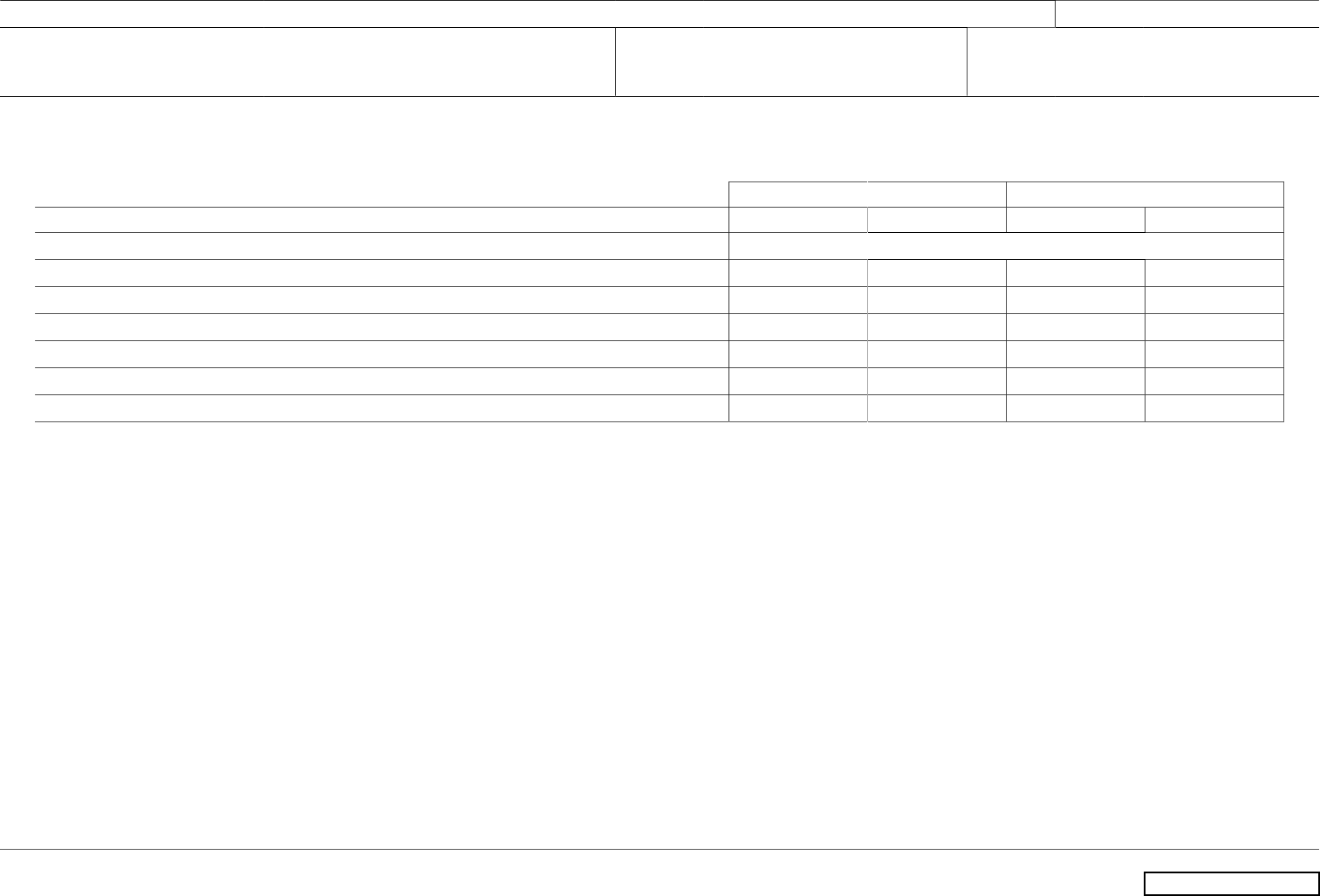
GEOINT Transformation HA and FMV Agile Release Trains (ART) 1 2019 4 2025
SIGINT Transformation ART 1 2019 4 2025
Multi-INT Transformation Correlation and Fusion ART 1 2019 4 2025
Multi-INT Transformation: Enterprise Voice Communication Capability (ECC) 3 2019 4 2022
Multi-INT Transformation: IMPACT (SUTER) 2 2019 4 2024
Network Infrastructure Transformation: OA Hybrid Cloud Services 1 2019 4 2025
Volume 3b - 351
UNCLASSIFIED
PE 0305208F: Distributed Common Ground/Surface System...
UNCLASSIFIED
Air Force Page 12 of 16 R-1 Line #269
Exhibit R-2A, RDT&E Project Justification: PB2021Air Force
Date: February 2020
Appropriation/Budget Activity
3600 / 7
R-1 Program Element (Number/Name)
PE 0305208F / Distributed Common
Ground/Surface Systems
Project (Number/Name)
675246 / MQ-9 Development and Fielding
COST ($ in Millions)
Prior
Years FY 2019 FY 2020
FY 2021
Base
FY 2021
OCO
FY 2021
Total FY 2022 FY 2023 FY 2024 FY 2025
Cost To
Complete
Total
Cost
675246: MQ-9 Development and
Fielding
- 26.000 0.000 0.000 0.000 0.000 0.000 0.000 0.000 0.000 Continuing Continuing
Quantity of RDT&E Articles - - - - - - - - - -
A. Mission Description and Budget Item Justification
Due to a Database Error, the additional $26M in FY19 OCO for "MQ-9 Development and Fielding" (Project 675246) was erroneously added to PE 0305208. This funding
belongs in Air Force PE 0305829F,"Video Data Link".
Video Data Link (VDL) Family of Systems (FoS) provides situational awareness (SA) to the operator on the ground using real time Full Motion Video (FMV) from
secure line of sight links to airborne ISR, NTISR, PR and SF platforms. The FoS consists of interoperable Mounted (Airborne/Ground) and Handheld terminal variants.
Current variants are utilized with 20 different platforms. Crypto Core Modernization (CCM) driven by NSA will create an imminent DMS issue by FY21; the current VDL
equipment is incompatible with the enhanced Crypto Core.
B. Accomplishments/Planned Programs ($ in Millions)
FY 2019 FY 2020 FY 2021
Title: Video Data Link
Description: Video Data Link (VDL) Family of Systems (FoS) provides situational awareness (SA) to the operator on the ground
using real time Full Motion Video (FMV) from secure line of sight links to airborne ISR, NTISR, PR and SF platforms.
FY 2020 Plans:
- Continue technology refresh for Mounted and Airborne Video Data Link. Focus areas will be
Mobile Ad-Hoc Networking, updated cryptographic hardware, and improved waveforms for LPI/LPD (Low Probability of Intercept/
Low Probability of Detection) operation.
FY 2021 Plans:
No additional funding.
26.000 0.000 0.000
Accomplishments/Planned Programs Subtotals
26.000 0.000 0.000
C. Other Program Funding Summary ($ in Millions)
N/A
Remarks
Volume 3b - 352
UNCLASSIFIED
PE 0305208F: Distributed Common Ground/Surface System...
UNCLASSIFIED
Air Force Page 13 of 16 R-1 Line #269
Exhibit R-2A, RDT&E Project Justification: PB2021Air Force
Date: February 2020
Appropriation/Budget Activity
3600 / 7
R-1 Program Element (Number/Name)
PE 0305208F / Distributed Common
Ground/Surface Systems
Project (Number/Name)
675246 / MQ-9 Development and Fielding
D. Acquisition Strategy
The Video Data Link acquisition strategy will be to conduct a competitive acquisition that will involve a CPIF contract vehicle to encourage proposals to integrate the
required capability rapidly and within the identified budget.
Volume 3b - 353
UNCLASSIFIED
PE 0305208F: Distributed Common Ground/Surface System...
UNCLASSIFIED
Air Force Page 14 of 16 R-1 Line #269
Exhibit R-3, RDT&E Project Cost Analysis: PB2021Air Force
Date: February 2020
Appropriation/Budget Activity
3600 / 7
R-1 Program Element (Number/Name)
PE 0305208F / Distributed Common
Ground/Surface Systems
Project (Number/Name)
675246 / MQ-9 Development and Fielding
Product Development ($ in Millions)
FY 2019 FY 2020
FY 2021
Base
FY 2021
OCO
FY 2021
Total
Cost Category Item
Contract
Method
& Type
Performing
Activity & Location
Prior
Years Cost
Award
Date Cost
Award
Date Cost
Award
Date Cost
Award
Date Cost
Cost To
Complete
Total
Cost
Target
Value of
Contract
Video Data Link Crypto
Core Modernization
TBD
AFMAA/WIS, SOF/
PR & BA : Dayton,
OH
- 23.000 - - - - Continuing Continuing 23.000
Subtotal
- 23.000 - - - - Continuing Continuing N/A
Support ($ in Millions)
FY 2019 FY 2020
FY 2021
Base
FY 2021
OCO
FY 2021
Total
Cost Category Item
Contract
Method
& Type
Performing
Activity & Location
Prior
Years Cost
Award
Date Cost
Award
Date Cost
Award
Date Cost
Award
Date Cost
Cost To
Complete
Total
Cost
Target
Value of
Contract
PMA TBD Not specified. : TBD - 3.000 - - - - Continuing Continuing 3.000
Subtotal
- 3.000 - - - - Continuing Continuing N/A
Prior
Years FY 2019 FY 2020
FY 2021
Base
FY 2021
OCO
FY 2021
Total
Cost To
Complete
Total
Cost
Target
Value of
Contract
Project Cost Totals
- 26.000 0.000 - - - Continuing Continuing N/A
Remarks
Volume 3b - 354
UNCLASSIFIED
PE 0305208F: Distributed Common Ground/Surface System...
UNCLASSIFIED
Air Force Page 15 of 16 R-1 Line #269
Exhibit R-4, RDT&E Schedule Profile: PB2021Air Force
Date: February 2020
Appropriation/Budget Activity
3600 / 7
R-1 Program Element (Number/Name)
PE 0305208F / Distributed Common
Ground/Surface Systems
Project (Number/Name)
675246 / MQ-9 Development and Fielding
FY 2019 FY 2020 FY 2021 FY 2022 FY 2023 FY 2024 FY 2025
1 2 3 4 1 2 3 4 1 2 3 4 1 2 3 4 1 2 3 4 1 2 3 4 1 2 3 4
Video Data Link Crypto Core Modernization
Multi-Domain and Hand-held
Volume 3b - 355
UNCLASSIFIED
PE 0305208F: Distributed Common Ground/Surface System...
UNCLASSIFIED
Air Force Page 16 of 16 R-1 Line #269
Exhibit R-4A, RDT&E Schedule Details: PB2021Air Force
Date: February 2020
Appropriation/Budget Activity
3600 / 7
R-1 Program Element (Number/Name)
PE 0305208F / Distributed Common
Ground/Surface Systems
Project (Number/Name)
675246 / MQ-9 Development and Fielding
Schedule Details
Start End
Events by Sub Project Quarter Year Quarter Year
Video Data Link Crypto Core Modernization
Multi-Domain and Hand-held 2 2019 4 2020
Volume 3b - 356
