
UNCLASSIFIED
PE 0604735F: Combat Training Ranges
UNCLASSIFIED
Air Force Page 1 of 14 R-1 Line #95
Exhibit R-2, RDT&E Budget Item Justification: PB2021Air Force
Date: February 2020
Appropriation/Budget Activity
3600: Research, Development, Test & Evaluation, Air Force / BA 5: System
Development & Demonstration (SDD)
R-1 Program Element (Number/Name)
PE 0604735F / Combat Training Ranges
COST ($ in Millions)
Prior
Years FY 2019 FY 2020
FY 2021
Base
FY 2021
OCO
FY 2021
Total FY 2022 FY 2023 FY 2024 FY 2025
Cost To
Complete
Total
Cost
Total Program Element
- 42.383 52.365 8.898 0.000 8.898 23.959 24.384 171.178 315.767 Continuing Continuing
652286: Combat Training Range
Equipment
- 42.383 52.365 8.898 0.000 8.898 23.959 24.384 171.178 315.767 Continuing Continuing
Quantity of RDT&E Articles - - - - - - - - - -
A. Mission Description and Budget Item Justification
The Combat Training Ranges (CTR) program provides equipment and support to Air Force units and combat training ranges for electronic warfare (EW) mission
testing, training, and evaluation of aircrews, as well as operational testing of weapon systems and tactics under simulated combat conditions. This program provides
funding for the development and integration of EW training capabilities to include: Air Combat Training Systems (ACTS); threat emitters; advanced radar threat systems;
communication jammers; command and control and debrief capability; and instrumentation equipment/systems. These systems and capabilities support integrated
training operations for all aircraft (including 5th Generation) and for Joint, Coalition, and Live, Virtual, Constructive (LVC) training events.
The Advanced Radar Threat System (ARTS) programs design, develop, build, and test threat systems based on advanced foreign fielded surface-to-air missile
(SAM) radar threat systems. The ARTS variants will be used at Department of Defense (DoD) training ranges for 4th and 5th Generation aircrew training and tactics
development to increase combat effectiveness and aircrew survivability by training aircrews to engage or defend against an advanced SAM threat before encountering it
in actual combat to stress their tactics, techniques and procedures. The ARTS programs support early research, studies, technology development, and planning for next-
generation threat systems. The ARTS programs also fund development of high-fidelity surrogate targets matching simulated threat systems to stress 5th Generation
sensor fusion capabilities.
The Modernization Range Threats Systems (RTS) efforts fund development of modifications for range threat systems to provide continued combat training relevancy
and enhanced systems capabilities. RTS efforts include Multiple Threat Emitter System (MUTES), Miniature Multiple Threat Emitter System (Mini-MUTES), Modular
Threat Emitter (MTE) system, Tactical Radar Threat Generator (TRTG) system, Band Simulator, Unmanned Modular Threat Emitter (UMTE) system, and legacy
Joint Threat Emitter (JTE) systems. Enhancements focus on upgrading threat systems to match fielded modifications for foreign threat systems faced by combat
aircrews. The Common Electronic Attack Receiver (CEAR) provides reactive training and enhanced debriefs using legacy threats. The Modernization Systems effort
upgrades Band Simulator and other legacy emitters with modern electronics to improve threat relevance and sustainability. The Double Digit Threat Emitter (DDTE)
effort leverages JTE to provide greater on-range threat density of advanced SAM radars. The B-Pedestal modification will provide double-digit threat capability to Mini-
MUTES B-Pedestals.
The P5 Combat Training System (P5 CTS) program addresses new capability requirements for the fielded P5 system, to include continued operations in a global
positioning system (GPS)-contested environment. This will enable ongoing analyses, studies, risk reduction efforts, and/or technology development to enhance
Operational Training Infrastructure (OTI), such as combat training range equipment integration into a blended training architecture, communication and GPS jammers,
Volume 2 - 661

UNCLASSIFIED
PE 0604735F: Combat Training Ranges
UNCLASSIFIED
Air Force Page 2 of 14 R-1 Line #95
Exhibit R-2, RDT&E Budget Item Justification: PB2021Air Force
Date: February 2020
Appropriation/Budget Activity
3600: Research, Development, Test & Evaluation, Air Force / BA 5: System
Development & Demonstration (SDD)
R-1 Program Element (Number/Name)
PE 0604735F / Combat Training Ranges
weapon drop scoring systems, and infrastructure networks. These enhancements will add a critical dimension to exercises and optimize warfighter training throughout
the program's lifecycle.
The Live Mission Operations Capability (LMOC) will regionalize and standardize training airspace, threat systems, and control centers to better challenge 5th Generation
aircraft and aircrew and provide comprehensive training support for warfighters. It will provide a node-based enterprise that integrates all range system capabilities,
including pre/post mission coordination, in a multi-level secure environment to enable blended training for combat and combat support units, including F-35. It will
address three combat training capability requirements: build and display an integrated surface and air picture; manage training; and enable LVC training operations.
This program element may include necessary civilian pay expenses required to manage, execute, and deliver Combat Training Ranges weapon system capability. The
use of such program funds would be in addition to the civilian pay expenses budgeted in program element 0605831F.
This program is in Budget Activity 5, System Development and Demonstration (SDD) because it has passed Milestone B approval and is conducting engineering and
manufacturing development tasks aimed at meeting validated requirements prior to full rate production.
B. Program Change Summary ($ in Millions)
FY 2019 FY 2020 FY 2021 Base FY 2021 OCO FY 2021 Total
Previous President's Budget 43.895 37.365 8.915 0.000 8.915
Current President's Budget 42.383 52.365 8.898 0.000 8.898
Total Adjustments -1.512 15.000 -0.017 0.000 -0.017
• Congressional General Reductions 0.000 0.000
• Congressional Directed Reductions 0.000 0.000
• Congressional Rescissions 0.000 0.000
• Congressional Adds 0.000 15.000
• Congressional Directed Transfers 0.000 0.000
• Reprogrammings 0.000 0.000
• SBIR/STTR Transfer -1.460 0.000
• Other Adjustments -0.052 0.000 -0.017 0.000 -0.017
Congressional Add Details ($ in Millions, and Includes General Reductions)
FY 2019 FY 2020
Project: 652286: Combat Training Range Equipment
Congressional Add: F-35 Advanced Threat Simulator
8.000 15.000
Congressional Add Subtotals for Project: 652286
8.000 15.000
Congressional Add Totals for all Projects
8.000 15.000
Volume 2 - 662

UNCLASSIFIED
PE 0604735F: Combat Training Ranges
UNCLASSIFIED
Air Force Page 3 of 14 R-1 Line #95
Exhibit R-2, RDT&E Budget Item Justification: PB2021Air Force
Date: February 2020
Appropriation/Budget Activity
3600: Research, Development, Test & Evaluation, Air Force / BA 5: System
Development & Demonstration (SDD)
R-1 Program Element (Number/Name)
PE 0604735F / Combat Training Ranges
Change Summary Explanation
FY19 $1.46M reduction for Small Business Innovation Research (SBIR)
FY20 Congressional add for $15M F-35 advanced threat simulator
C. Accomplishments/Planned Programs ($ in Millions)
FY 2019 FY 2020 FY 2021
Title: P5 Combat Training System (CTS)
Description: P5 CTS funding supports ACTS capabilities and includes the development, integration and testing of future
software/hardware upgrades, aircraft/pod integration, upgrades for range applications, and associated studies. Additionally,
funding supports efforts to enable initial training interoperability with 5th Generation aircraft via Ground Subsystem (GS)
decryption of secure (encrypted) Time, Space, Position Information (TSPI), weapon simulation, and other training data.
FY 2020 Plans:
Funding supports the study, development and test of a Production Representative Article (PRA) for global positioning system
(GPS)-contested training upgrade for P5 CTS. Funding is also being used to study optimization of message format and priority in
support of Proficiency-Based Training (PBT) objectives.
FY 2021 Plans:
Funding will continue to support the study, development and test of a PRA for GPS-contested training upgrade for P5 CTS.
Funding is also being used to study optimization of message format and priority in support of PBT objectives.
FY 2020 to FY 2021 Increase/Decrease Statement:
Funding increased due to procurement of prototype hardware required for system qualification.
0.175 0.200 0.500
Title: Modernization Range Threat Systems (RTS)
Description: Modernization Systems efforts fund development of modifications for range threat systems to provide continued
combat training relevancy and enhanced systems capabilities. Range threat systems include MUTES, Mini-MUTES, MTE system,
TRTG system, Band Sim, UMTE system, legacy JTE system, and other radar systems fielded throughout the combat training
range enterprise. Enhancements focus on upgrading threat systems to match fielded modifications for foreign threat systems
faced by combat aircrews. The CEAR provides reactive training and enhanced debriefs using legacy threats. The Modernization
Systems effort upgrades the Band Sim and other legacy emitters with modern electronics to improve threat relevance and
sustainability. The DDTE effort leverages JTE to provide greater on-range threat density of advanced SAM radars.
FY 2020 Plans:
Funding supports preparation for Mini-MUTES modification for improved threat relevance and required relevancy upgrades to
support Joint Pacific Alaska Range Complex (JPARC) legacy systems.
FY 2021 Plans:
0.000 0.150 0.000
Volume 2 - 663

UNCLASSIFIED
PE 0604735F: Combat Training Ranges
UNCLASSIFIED
Air Force Page 4 of 14 R-1 Line #95
Exhibit R-2, RDT&E Budget Item Justification: PB2021Air Force
Date: February 2020
Appropriation/Budget Activity
3600: Research, Development, Test & Evaluation, Air Force / BA 5: System
Development & Demonstration (SDD)
R-1 Program Element (Number/Name)
PE 0604735F / Combat Training Ranges
C. Accomplishments/Planned Programs ($ in Millions)
FY 2019 FY 2020 FY 2021
N/A
FY 2020 to FY 2021 Increase/Decrease Statement:
Funding decreased due to realignment of priorities to other projects within Combat Training Ranges.
Title: Advanced Radar Threat System (ARTS-V1)
Description: ARTS-V1 program will design, develop, build and test radar threat systems based on advanced strategic, long-
range, re-locatable foreign fielded Surface-to-Air Missile (SAM) radar threat systems. ARTS-V1 will leverage an existing DoD
test resource development program to reduce non-recurring development cost, minimize schedule risk, and promote range
interoperability between test and training. While various aircraft platforms will train against ARTS-V1, the focus of the program is
to develop realistic radar threat systems meant to stress 5th Generation aircraft capabilities. Additionally, development of a high-
fidelity surrogate target, ongoing analyses, studies, and risk reduction efforts will focus on integrating ARTS and other systems
into regional range and LVC architectures.
FY 2020 Plans:
Funding supports the development of a PRA and integration and testing, along with Technical Data Package (TDP) development.
Additionally, funding is supporting ongoing analyses and studies focused on integrating ARTS into regional range and LVC
architectures.
FY 2021 Plans:
Funding will support further development (technical design reviews, integration, fabrication and testing) of a Production
Representative Article (PRA) along with finalization of the TDP. Additionally, funding will support ongoing analyses and studies
focused on integrating Advanced Radar Threat System (ARTS) into regional range and Live, Virtual, Constructive (LVC)
architectures.
FY 2020 to FY 2021 Increase/Decrease Statement:
Funding decreased due to finalization of PRA activities.
3.788 13.100 6.457
Title: Advanced Radar Threat System (ARTS-V2)
Description: ARTS-V2 program will design, develop, build and test radar threat systems based on an advanced tactical, mobile,
short/medium range foreign fielded SAM radar threat system. Additionally, development of a high-fidelity surrogate target, ongoing
analyses, studies, and risk reduction efforts will focus on integrating ARTS-V2 and other systems into LVC architectures.
FY 2020 Plans:
29.670 10.200 1.741
Volume 2 - 664

UNCLASSIFIED
PE 0604735F: Combat Training Ranges
UNCLASSIFIED
Air Force Page 5 of 14 R-1 Line #95
Exhibit R-2, RDT&E Budget Item Justification: PB2021Air Force
Date: February 2020
Appropriation/Budget Activity
3600: Research, Development, Test & Evaluation, Air Force / BA 5: System
Development & Demonstration (SDD)
R-1 Program Element (Number/Name)
PE 0604735F / Combat Training Ranges
C. Accomplishments/Planned Programs ($ in Millions)
FY 2019 FY 2020 FY 2021
Funding supports the development (technical design reviews, integration, fabrication and testing) of a PRA under the Engineering
Manufacturing and Development (EMD) contract. Additionally, funding is supporting ongoing analyses and studies focused on
integrating ARTS into regional range and LVC architectures.
FY 2021 Plans:
Funding will support completion of the development (technical design reviews, integration, fabrication and testing) of a PRA under
the EMD contract. Additionally, funding will support ongoing analyses and studies focused on integrating ARTS into regional range
and LVC architectures.
FY 2020 to FY 2021 Increase/Decrease Statement:
Funding decreased due to conclusion of PRA activities.
Title: Advanced Radar Threat System (ARTS-V3)
Description: ARTS-V3 program will design, develop, build and test advanced surface-to-air threat systems replicating strategic/
tactical threat(s) at the fidelity necessary to stress current EW systems, 5th Generation and beyond air platform engagements
and be integrated into a future Combat Air Forces (CAF) LVC system. ARTS-V3 will provide an anti-access/area denial (A2/
AD) environment for CAF test and training with highly reactive threat systems that provide immediate feedback to aircrews. The
ARTS-V3 system will create a relevant combat training threat system that is dynamic and represents a modern and dynamic
adversary force.
FY 2020 Plans:
Funding supports intelligence, early research, studies, risk reduction, and technology maturation to reduce program risk. Funds
are supporting intelligence data to ensure emulation of the real world system is relevant and realistic.
FY 2021 Plans:
Funding will continue intelligence and requirements support, early research, studies, risk reduction, support technology
maturation, prototyping, and reduce program risk. Funds will also support intelligence data to ensure emulation of the real world
system is relevant and realistic.
FY 2020 to FY 2021 Increase/Decrease Statement:
Funding decreased due to realignment of priorities to other projects within Combat Training Ranges.
0.000 5.183 0.100
Title: Advanced Radar Threat System (ARTS-V4)
Description: ARTS-V4 program will design, develop, build, and test modern surface-to-air threat systems replicating
tactical highly mobile threats at the fidelity necessary to stress current EW systems, 5th Generation and beyond air platform
engagements, and be integrated into a future CAF LVC system. The ARTS-V4 system will create a relevant combat training threat
0.000 1.540 0.100
Volume 2 - 665

UNCLASSIFIED
PE 0604735F: Combat Training Ranges
UNCLASSIFIED
Air Force Page 6 of 14 R-1 Line #95
Exhibit R-2, RDT&E Budget Item Justification: PB2021Air Force
Date: February 2020
Appropriation/Budget Activity
3600: Research, Development, Test & Evaluation, Air Force / BA 5: System
Development & Demonstration (SDD)
R-1 Program Element (Number/Name)
PE 0604735F / Combat Training Ranges
C. Accomplishments/Planned Programs ($ in Millions)
FY 2019 FY 2020 FY 2021
system that is dynamic and represents adversary forces. Additionally funding will support ongoing analyses and studies focused
on integrating ARTS into regional range and LVC architectures.
FY 2020 Plans:
Funding supports finalizing program foundation to include intelligence and requirements support, early research, studies, support
technology maturation and demonstration, and planning to support a Milestone B decision. Funding acquires intelligence data to
ensure emulation of the real world system is relevant and realistic.
FY 2021 Plans:
Funding will continue intelligence and requirement support, early research, studies, risk reduction, support technology maturation,
prototyping and reduce program risk. Funding will also support intelligence data to ensure emulation of the real work system is
relevant and realistic.
FY 2020 to FY 2021 Increase/Decrease Statement:
Funding decreased due to realignment of priorities to other projects within Combat Training Ranges.
Title: Modular Threat Emitter (MTE)
Description: MTE will conduct RDT&E to modernize the Range Threat family of systems, focusing on the MTE System.
Foreign fielded SAM threat systems have undergone major modernization programs to replace aging analog technology with
modern digital electronics. This program requires the development of digital electronics upgrades to provide realistic electronic
warfare training to combat aircrews. This effort will improve threat fidelity (ensuring threat-representative Radio Frequency
(RF) emissions), increase reliability, maintainability, supportability, system mobility, and support remote operations with Digital
Integrated Air Defense Systems (DIADS). This effort supports warfighter development of new tactics, techniques, and procedures
in a relevant, realistic combat environment.
FY 2020 Plans:
N/A
FY 2021 Plans:
N/A
FY 2020 to FY 2021 Increase/Decrease Statement:
N/A
0.400 0.000 0.000
Title: Live Mission Operations Capability (LMOC)
Description: LMOC will regionalize and standardize training airspace, threat systems, and control centers to better challenge
5th Generation aircraft and aircrew and provide comprehensive training support for all warfighters. It will provide a node-
0.350 6.992 0.000
Volume 2 - 666

UNCLASSIFIED
PE 0604735F: Combat Training Ranges
UNCLASSIFIED
Air Force Page 7 of 14 R-1 Line #95
Exhibit R-2, RDT&E Budget Item Justification: PB2021Air Force
Date: February 2020
Appropriation/Budget Activity
3600: Research, Development, Test & Evaluation, Air Force / BA 5: System
Development & Demonstration (SDD)
R-1 Program Element (Number/Name)
PE 0604735F / Combat Training Ranges
C. Accomplishments/Planned Programs ($ in Millions)
FY 2019 FY 2020 FY 2021
based enterprise that integrates all range system capabilities, including pre/post mission coordination, in a multi-level secure
environment to enable blended live-synthetic training for combat and combat support units including F-35. It will address three
combat training capability requirements: build and display an integrated surface and air picture; manage training; and enable LVC
training operations.
FY 2020 Plans:
Funding supports initial stand-up of a system integration laboratory, further risk reduction activities and requirement
documentation to ensure quick and incremental fielding of capability.
FY 2021 Plans:
N/A
FY 2020 to FY 2021 Increase/Decrease Statement:
Funding decreased due to realignment of priorities to other projects within Combat Training Ranges.
Accomplishments/Planned Programs Subtotals
34.383 37.365 8.898
FY 2019 FY 2020
Congressional Add: F-35 Advanced Threat Simulator
FY 2019 Accomplishments: FY19 funding is being used to study enhancements to legacy systems capable
of providing advanced Surface-to-Air Missile (SAM) threats through integration of commercial off-the-shelf or
previously developed technology into existing systems at JPARC.
FY 2020 Plans: FY20 funding will be used to design, develop, and install digital upgrades to improve the fidelity
and Electronic Warfare (EW) scenarios for F-35 and other aircrews during Live, Virtual and Constructive test and
training events, increasing warfighter interoperability and survivability.
8.000 15.000
Congressional Adds Subtotals
8.000 15.000
D. Other Program Funding Summary ($ in Millions)
Line Item FY 2019 FY 2020
FY 2021
Base
FY 2021
OCO
FY 2021
Total FY 2022 FY 2023 FY 2024 FY 2025
Cost To
Complete Total Cost
• OPAF 03 Line Item 834190:
Combat Training Ranges
227.598 282.893 195.185 - 195.185 237.288 177.931 178.051 170.354 Continuing Continuing
• OPAF 05 Line Item 861900:
Spares and Repair Parts
14.035 2.322 8.241 - 8.241 19.082 11.413 0.737 0.750 Continuing Continuing
Volume 2 - 667

UNCLASSIFIED
PE 0604735F: Combat Training Ranges
UNCLASSIFIED
Air Force Page 8 of 14 R-1 Line #95
Exhibit R-2, RDT&E Budget Item Justification: PB2021Air Force
Date: February 2020
Appropriation/Budget Activity
3600: Research, Development, Test & Evaluation, Air Force / BA 5: System
Development & Demonstration (SDD)
R-1 Program Element (Number/Name)
PE 0604735F / Combat Training Ranges
D. Other Program Funding Summary ($ in Millions)
Line Item FY 2019 FY 2020
FY 2021
Base
FY 2021
OCO
FY 2021
Total FY 2022 FY 2023 FY 2024 FY 2025
Cost To
Complete Total Cost
• APAF 07 Line Item 000075:
Other Production Charges
13.842 0.300 3.495 - 3.495 0.300 0.300 0.300 0.305 Continuing Continuing
Remarks
E. Acquisition Strategy
The acquisition strategy varies by effort. Overall strategy is competition focused, with both cost plus and fixed price contracts.
Volume 2 - 668

UNCLASSIFIED
PE 0604735F: Combat Training Ranges
UNCLASSIFIED
Air Force Page 9 of 14 R-1 Line #95
Exhibit R-3, RDT&E Project Cost Analysis: PB2021Air Force
Date: February 2020
Appropriation/Budget Activity
3600 / 5
R-1 Program Element (Number/Name)
PE 0604735F / Combat Training Ranges
Project (Number/Name)
652286 / Combat Training Range
Equipment
Product Development ($ in Millions)
FY 2019 FY 2020
FY 2021
Base
FY 2021
OCO
FY 2021
Total
Cost Category Item
Contract
Method
& Type
Performing
Activity & Location
Prior
Years Cost
Award
Date Cost
Award
Date Cost
Award
Date Cost
Award
Date Cost
Cost To
Complete
Total
Cost
Target
Value of
Contract
Advanced Radar Threat
System-Variant 1 (ARTS-
V1) Development
Various
Various : Pax River,
MD
- 3.788 Jun 2019 9.000 Dec 2019 6.732 Oct 2020 - 6.732 Continuing Continuing -
Advanced Radar Threat
System-Variant 2 (ARTS-
V2) Development
C/FPIF
Lockheed Martin :
Grand Prairie, TX
- 26.488 Jan 2019 8.600 Nov 2019 0.246 Sep 2021 - 0.246 Continuing Continuing -
Advanced Radar Threat
System-Variant 4 (ARTS-
V4) Development
Various
Various : Hill AFB,
UT
- - 0.840 Nov 2019 - - - Continuing Continuing -
P5 CTS GPS Contested Various
Various : Hill AFB,
UT
- 0.175 Sep 2019 0.200 Feb 2020 0.500 Apr 2021 - 0.500 Continuing Continuing -
Live Mission Operation
Capability (LMOC)
Various
Various : Hill AFB,
UT
- 0.350 Sep 2019 6.192 Mar 2020 - - - Continuing Continuing -
Subtotal
- 30.801 24.832 7.478 - 7.478 Continuing Continuing N/A
Support ($ in Millions)
FY 2019 FY 2020
FY 2021
Base
FY 2021
OCO
FY 2021
Total
Cost Category Item
Contract
Method
& Type
Performing
Activity & Location
Prior
Years Cost
Award
Date Cost
Award
Date Cost
Award
Date Cost
Award
Date Cost
Cost To
Complete
Total
Cost
Target
Value of
Contract
Advanced Radar Threat
Systems (Direct Msn Spt)
Various
Various : Various,
NV
- - 5.183 Dec 2019 - - - Continuing Continuing -
Subtotal
- - 5.183 - - - Continuing Continuing N/A
Test and Evaluation ($ in Millions)
FY 2019 FY 2020
FY 2021
Base
FY 2021
OCO
FY 2021
Total
Cost Category Item
Contract
Method
& Type
Performing
Activity & Location
Prior
Years Cost
Award
Date Cost
Award
Date Cost
Award
Date Cost
Award
Date Cost
Cost To
Complete
Total
Cost
Target
Value of
Contract
Advanced Radar Threat
Systems (Direct Msn Spt)
C/Various Not specified. : TBD - - 2.600 Jun 2020 1.420 Oct 2020 - 1.420 Continuing Continuing -
Subtotal
- - 2.600 1.420 - 1.420 Continuing Continuing N/A
Volume 2 - 669

UNCLASSIFIED
PE 0604735F: Combat Training Ranges
UNCLASSIFIED
Air Force Page 10 of 14 R-1 Line #95
Exhibit R-3, RDT&E Project Cost Analysis: PB2021Air Force
Date: February 2020
Appropriation/Budget Activity
3600 / 5
R-1 Program Element (Number/Name)
PE 0604735F / Combat Training Ranges
Project (Number/Name)
652286 / Combat Training Range
Equipment
Management Services ($ in Millions)
FY 2019 FY 2020
FY 2021
Base
FY 2021
OCO
FY 2021
Total
Cost Category Item
Contract
Method
& Type
Performing
Activity & Location
Prior
Years Cost
Award
Date Cost
Award
Date Cost
Award
Date Cost
Award
Date Cost
Cost To
Complete
Total
Cost
Target
Value of
Contract
Advanced Radar Threat
Systems (PMA/A&AS)
Various
Various : Hill AFB,
UT
- 3.182 Jun 2019 3.800 May 2020 - - - Continuing Continuing -
Live Mission Operations
Capability (LMOC) (PMA/
A&AS)
Various
AFLCMC/AZS : Hill
AFB, UT
- - 0.800 Feb 2020 - - - Continuing Continuing -
Modernization Systems
(PMA/A&AS)
Various
AFLCMC/AZS : Hill
AFB, UT
- 8.400 Jun 2019 15.000 Jun 2020 - - - Continuing Continuing -
Modernization Systems
(RTS) (PMA/A&AS)
Various
AFLCMC/AZS : Hill
AFB
- - 0.150 Apr 2020 - - - Continuing Continuing -
Subtotal
- 11.582 19.750 - - - Continuing Continuing N/A
Prior
Years FY 2019 FY 2020
FY 2021
Base
FY 2021
OCO
FY 2021
Total
Cost To
Complete
Total
Cost
Target
Value of
Contract
Project Cost Totals
- 42.383 52.365 8.898 - 8.898 Continuing Continuing N/A
Remarks
FINANCIAL PERFORMANCE: Combat Training Ranges is evaluated against traditional Research and Development (R&D) program expenditure benchmarks. Unlike many
traditional R&D programs, however, the ARTS-V2 development contract is an FPIF contract with progress payments. 20 percent of incurred costs are withheld until the end
of the contract, when they are liquidated. Mandatory funding obligations and progress payment withholds will cause the program to lag traditional expenditure benchmarks,
painting an inaccurate portrait of overall program health.
Volume 2 - 670
UNCLASSIFIED
PE 0604735F: Combat Training Ranges
UNCLASSIFIED
Air Force Page 11 of 14 R-1 Line #95
Exhibit R-4, RDT&E Schedule Profile: PB2021Air Force
Date: February 2020
Appropriation/Budget Activity
3600 / 5
R-1 Program Element (Number/Name)
PE 0604735F / Combat Training Ranges
Project (Number/Name)
652286 / Combat Training Range
Equipment
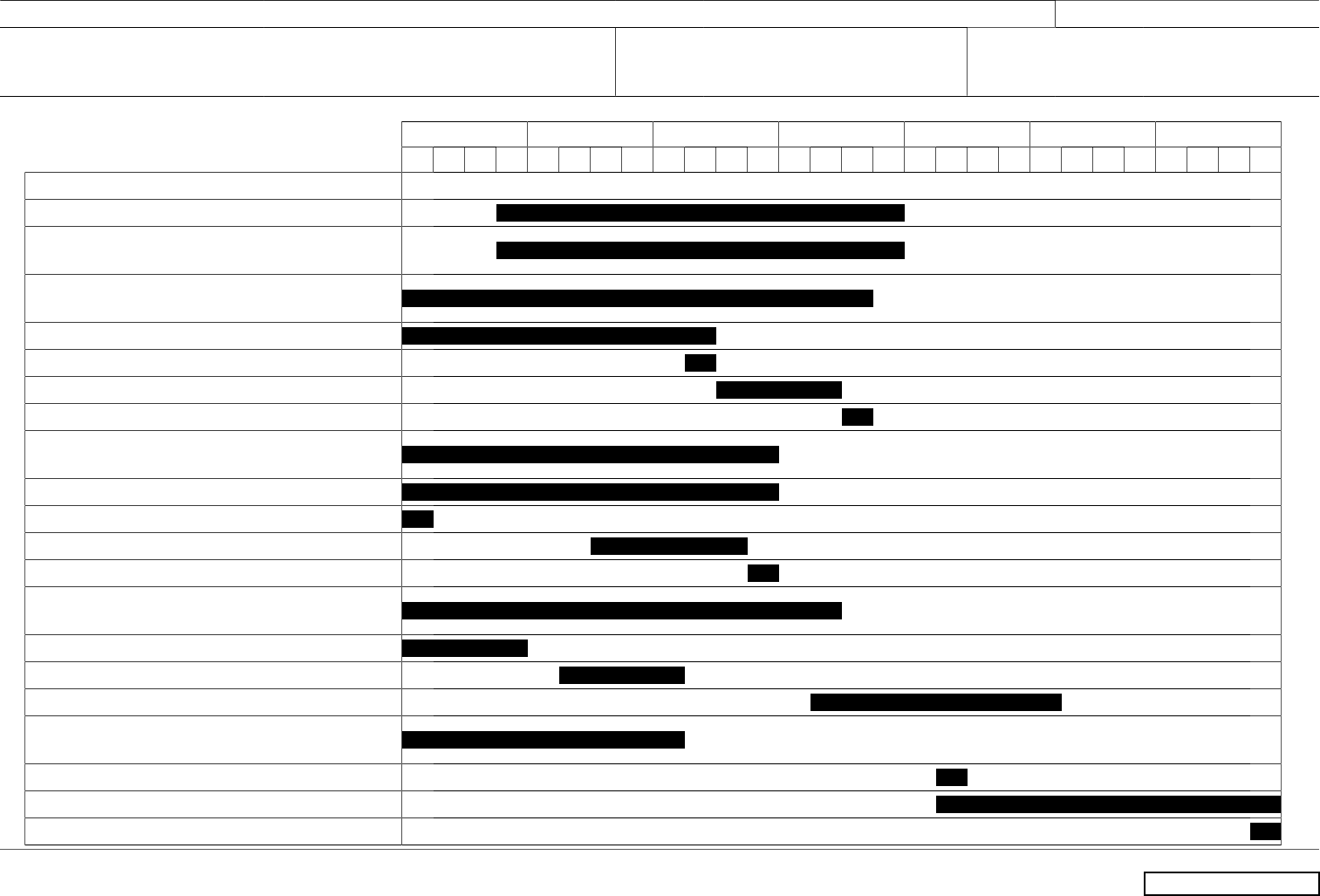
FY 2019 FY 2020 FY 2021 FY 2022 FY 2023 FY 2024 FY 2025
1 2 3 4 1 2 3 4 1 2 3 4 1 2 3 4 1 2 3 4 1 2 3 4 1 2 3 4
Combat Training Range Equipment
P5CTS Development
-- P5 CTS GPS-Contested Training Operation
Capability
Advanced Radar Threat System-Variant
1(ARTS-V1) EMD Phase
-- ARTS-V1 Develop First Article (PRA)
-- ARTS-V1 Factory Acceptance Test
-- ARTS-V1 DT-E AND OT-E
-- ARTS-V1 Milestone C
Advanced Radar Threat System-Variant 2
(ARTS-V2) EMD Phase
-- ARTS-V2 PRA Contract
-- ARTS-V2 CDR
-- ARTS-V2 DT-E and OT-E
-- ARTS-V2 Milestone C
Advanced Radar Threat System-Variant 3
(ARTS-V3) System Spec Definition
-- ARTS-V3 First Intel Assessment
-- ARTS-V3 Second Intel Assessment
-- ARTS-V3 Third Intel Assessment
Advanced Radar Threat System-Variant 4
(ARTS-V4) Pre-milestone B
-- ARTS-V4 Milestone B
-- ARTS-V4 Development
-- ARTS-V4 Milestone C
Volume 2 - 671
UNCLASSIFIED
PE 0604735F: Combat Training Ranges
UNCLASSIFIED
Air Force Page 12 of 14 R-1 Line #95
Exhibit R-4, RDT&E Schedule Profile: PB2021Air Force
Date: February 2020
Appropriation/Budget Activity
3600 / 5
R-1 Program Element (Number/Name)
PE 0604735F / Combat Training Ranges
Project (Number/Name)
652286 / Combat Training Range
Equipment
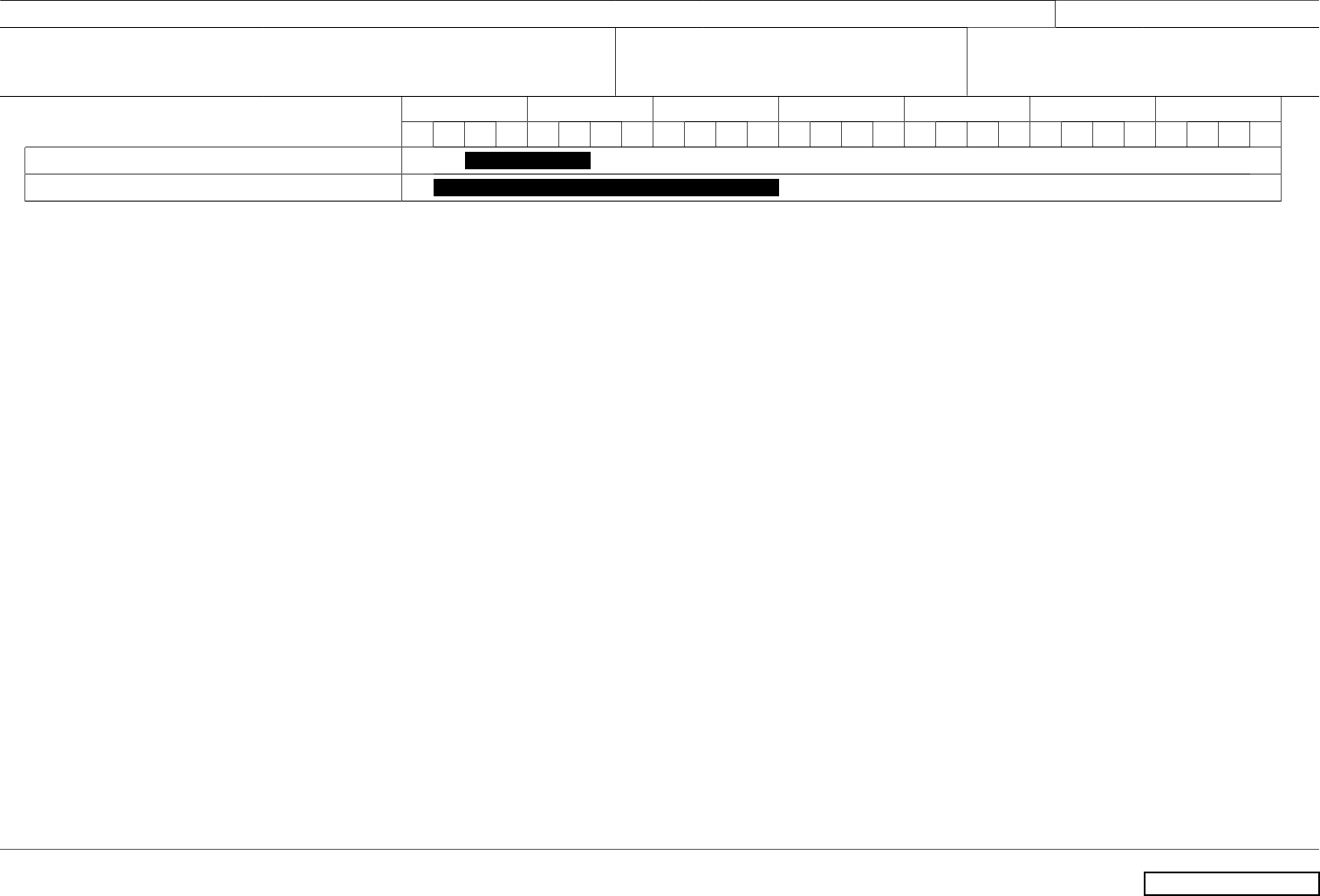
FY 2019 FY 2020 FY 2021 FY 2022 FY 2023 FY 2024 FY 2025
1 2 3 4 1 2 3 4 1 2 3 4 1 2 3 4 1 2 3 4 1 2 3 4 1 2 3 4
Modernization Systems
Live Mission Operations Capability (LMOC)
Volume 2 - 672

UNCLASSIFIED
PE 0604735F: Combat Training Ranges
UNCLASSIFIED
Air Force Page 13 of 14 R-1 Line #95
Exhibit R-4A, RDT&E Schedule Details: PB2021Air Force
Date: February 2020
Appropriation/Budget Activity
3600 / 5
R-1 Program Element (Number/Name)
PE 0604735F / Combat Training Ranges
Project (Number/Name)
652286 / Combat Training Range
Equipment
Schedule Details
Start End
Events by Sub Project Quarter Year Quarter Year
Combat Training Range Equipment
P5CTS Development 4 2019 4 2022
-- P5 CTS GPS-Contested Training Operation Capability 4 2019 4 2022
Advanced Radar Threat System-Variant 1(ARTS-V1) EMD Phase 1 2019 3 2022
-- ARTS-V1 Develop First Article (PRA) 1 2019 2 2021
-- ARTS-V1 Factory Acceptance Test 2 2021 2 2021
-- ARTS-V1 DT-E AND OT-E 3 2021 2 2022
-- ARTS-V1 Milestone C 3 2022 3 2022
Advanced Radar Threat System-Variant 2 (ARTS-V2) EMD Phase 1 2019 4 2021
-- ARTS-V2 PRA Contract 1 2019 4 2021
-- ARTS-V2 CDR 1 2019 1 2019
-- ARTS-V2 DT-E and OT-E 3 2020 3 2021
-- ARTS-V2 Milestone C 4 2021 4 2021
Advanced Radar Threat System-Variant 3 (ARTS-V3) System Spec Definition 1 2019 2 2022
-- ARTS-V3 First Intel Assessment 1 2019 4 2019
-- ARTS-V3 Second Intel Assessment 2 2020 1 2021
-- ARTS-V3 Third Intel Assessment 2 2022 1 2024
Advanced Radar Threat System-Variant 4 (ARTS-V4) Pre-milestone B 1 2019 1 2021
-- ARTS-V4 Milestone B 2 2023 2 2023
-- ARTS-V4 Development 2 2023 4 2025
-- ARTS-V4 Milestone C 4 2025 4 2025
Modernization Systems 3 2019 2 2020
Volume 2 - 673

UNCLASSIFIED
PE 0604735F: Combat Training Ranges
UNCLASSIFIED
Air Force Page 14 of 14 R-1 Line #95
Exhibit R-4A, RDT&E Schedule Details: PB2021Air Force
Date: February 2020
Appropriation/Budget Activity
3600 / 5
R-1 Program Element (Number/Name)
PE 0604735F / Combat Training Ranges
Project (Number/Name)
652286 / Combat Training Range
Equipment
Start End
Events by Sub Project Quarter Year Quarter Year
Live Mission Operations Capability (LMOC) 2 2019 4 2021
Volume 2 - 674
